Colorado River Updates
Arizona Water Company operates 24 water systems across Arizona. These systems range in size from eight connections to over 30,000 connections. Our water supplies include groundwater, Colorado River water (i.e. Central Arizona Project or CAP), and effluent. Each system utilizes one or more of these supplies and impacts due to drought or shortage affect each system differently.
Bureau of Reclamation Colorado River Shortage Declarations
Date: April 20, 2026
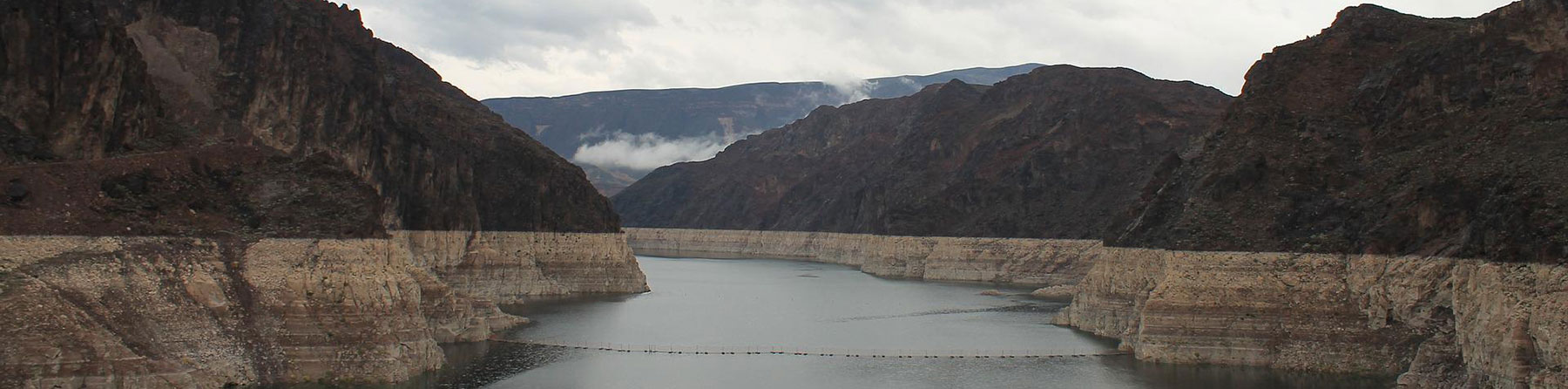
The entire Western United States has experienced over two decades of drought conditions. In 2026, the Colorado River basin is on track to experience the driest year on record. This situation has resulted in a dramatic reduction in the water stored in both Lake Powell and Lake Mead. As of April 15, 2026, Lake Powell is 24% full and Lake Mead is 32% full. Lake Powell is the major source of water supply for Lake Mead.
The 2026 release from Lake Powell to Lake Mead has been reduced from 7.48 million acre-feet to 6.0 million acre-feet. Additional water releases from reservoirs upstream of Lake Powell are planned. It is estimated that between 660,000 acre-feet and 1 million acre-feet of water is planned for release to Lake Powell beginning in April 2026 and continuing through April 2027.
We do not yet know the specific hydrologic conditions that may develop in the Colorado River basin later this year and in 2027. However, new reservoir operating criteria must be adopted before October 1, 2026, and those criteria will incorporate additional supply reductions to respond to the extremely dry conditions that have developed over the last several years.
The current low water storage in Lake Mead will result in a reduction in the amount of Colorado River water diverted by the Central Arizona Project (CAP). At this time in 2026, existing CAP deliveries have been reduced by 512,000 acre-feet. This reduction impacts CAP agricultural water users in Central Arizona. Arizona Water Company, like other municipal and industrial water users, will not be impacted by this initial reduction.
Fortunately, Arizona has stored water underground in anticipation of shortage events. The Arizona Water Banking Authority (AWBA) was created in 1996 to store otherwise unused Colorado River water for use by municipal and industrial water users during times of shortage.
Additionally, Arizona Water Company and others have planned for many years for future shortages by implementing water conservation programs, diversifying water supplies, and working cooperatively with various state agencies and other water providers to plan for future shortage conditions. AWC will provide additional information about potential shortage impacts as hydrologic conditions develop and new operating criteria are adopted.
Click here to learn more about the Bureau of Reclamation’s announcement.
Should I conserve water?
Water conservation is an important way to help preserve all of our water resources. In fact, as a state, Arizona uses about as much water today and we did in 1957. This is partially due to conservation efforts throughout the state. We are proud of the efforts of our residents and businesses to conserve water, and we encourage everyone throughout the state to use water wisely. More information on water conservation and water-saving tips can be found at: https://www.azwater.com/conservation/
Where can I find more information about the shortage?
The Arizona Department of Water Resources (ADWR) and CAP have information on their webpages.
- Arizona Department of Water Resources Water Conservation – General Information
- Central Arizona Project (CAP)
If you have additional questions, please email AWC at: [email protected] Please provide your name and telephone number so we can respond by telephone if needed.